Some of the very common press release distribution mistakes include preparing generic lists of media outlets and news sites, and failing to customize the content.
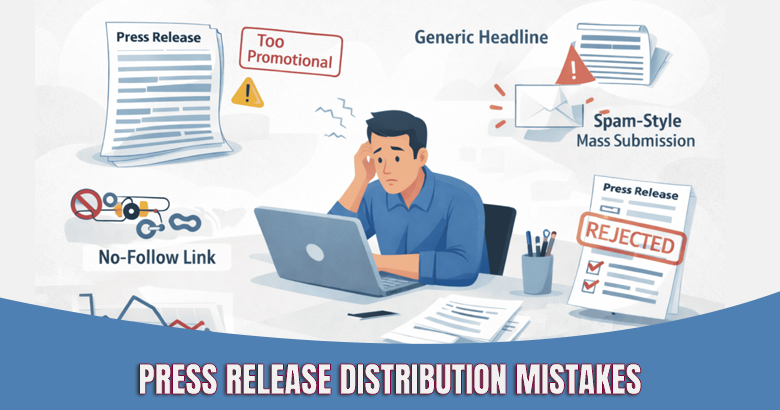
Press releases still hold real power in public relations. But the result often depends on how well they are written and delivered. A strong PR (Press Release) can build credibility. It can attract media attention and support your wider communication goals. On the other hand, a poorly prepared one can do the opposite. It may weaken your message and waste a good chance for coverage. Small mistakes in structure, timing, or writing can quietly damage even a strong story. That is why getting the basics right matters.
So, let’s have a look at the common press release distribution mistakes that brands usually make.
Common PR Distribution Mistakes you Need to Avoid –
1. Generic Lists:
Sending a press release to a massive generic list may look like a quick win. In reality, it rarely works. Many brands still blast their announcements to hundreds of reporters without checking what those journalists actually cover. The result is predictable. The message lands in inboxes that have no interest in the story, and most of the emails are ignored or deleted within seconds. Targeting matters in media outreach. A reporter who covers technology will not respond to a fashion update. On the other hand, a lifestyle editor will likely skip a corporate funding announcement. When the list is random, the story loses its chance to reach the right audience. A better approach is simple. Research journalists who write about your topic, and build a focused media list. Then, send the release to reporters who are more likely to care about the story. This small shift can improve results!
2. Absence of Customization:
Lack of personalization is another mistake that quietly kills a press release pitch. Many emails still begin with a cold greeting and a copy-and-paste message that could be sent to anyone. Journalists spot this instantly. When an email looks generic, it often gets ignored before the first line is even finished. Reporters also receive a large number of pitches every day. A message that shows no effort or relevance rarely stands out in that crowded inbox. If the sender has not taken time to understand the journalist’s work, the story already feels misplaced. A small change can make a big difference. Address the journalist by name. Mention a recent article they wrote or the topic they usually cover. Then connect your press release to that interest in a clear way. This approach shows respect for their time. It also increases the chance that the message will be opened, read, and considered for coverage.
3. Bad Timing:
Timing can make or break a press release. Many announcements fail not because the story is weak but because they are sent at the wrong moment. A release that lands during a weekend often sits in an inbox until Monday. By then, the news cycle has already moved on, and the story loses momentum. Off-hours can create the same problem. Journalists usually review pitches during active work hours. Messages sent too early or too late can easily get buried under a flood of new emails.
Another common mistake is sending a release when a major breaking story dominates the news cycle. When the media spotlight shifts to a big event, smaller announcements struggle to gain attention. A better strategy is simple. You have to watch the news cycle, choose a time when reporters are active, and the media space is not crowded. Timing gives your story a fair chance!
4. Not Following up:
Skipping the follow-up is a common PR distribution mistake. Many brands send their announcement and move on. They assume the job is done once the email is out. In reality, that first message is often only the beginning. Journalists receive a large number of pitches every day. Even a strong story can get buried in a busy inbox. A polite follow-up helps bring the release back to their attention. It also shows that the sender is serious about the story.
The key is to keep it short and respectful. Send a quick message after a day or two, and ask if they have had a chance to look at the release. This simple step can open a conversation and improve the chance of media coverage.
5. Abortive Headline:
Your headline is the first hook in a PR. It decides if someone keeps reading or moves on. Many companies or brands overcomplicate this step. They fill the title with heavy jargon or vague language that says very little about the actual news. When a headline lacks clarity, the audience also quickly loses interest. On the other hand, a strong title should be clear and direct. Readers should understand what the story is about and why it matters to them. Adding relevant and widely searched keywords can also help the press release reach more people online. This simple step improves discoverability and brings more attention to the announcement.
At the same time, the headline should not reveal every single detail. You need to leave a small sense of curiosity, so readers want to explore the full story. Journalists also judge a press release by its title. If the headline looks too long, dull, not interesting, or unrelated to the story, it often gets skipped. A clean and direct headline protects your brand image and improves the chance of media coverage.
6. Not Adding Multimedia:
A press release becomes far easier to read when it includes visual elements. Photos, videos, hashtags, GIFs, or even a light meme can help break up long blocks of text and keep readers engaged. People process visual content faster, so these additions can make your announcement more appealing and easier to understand.
Creating your own visuals works even better. Original content offers a closer look at your brand and shows that real effort went into the release. It adds context that plain text often cannot deliver. Journalists also appreciate this approach. Many of them need visual material for their stories. When you provide it upfront, you save them time and make their job easier. That small step can increase the chance of your press release getting noticed and used.
7. Useless Call-to-action:
Do not weaken the end of your PR with a vague call to action. Readers need clear direction. Sending them to a generic home page often leads nowhere. Most people will not search further once they land there. So, be specific about where the link leads. If it opens a product page, say that. If it invites them to join a newsletter, mention it clearly. Transparency always builds trust. A direct call to action keeps the reader focused and helps the press release achieve its purpose.
Summing it up
There are a lot of things to consider when you are preparing a press release and distributing it. One small mistake here and there can ruin the entire operation for your brand. So, if you are unable, let’s leave it with the professionals. So many companies offer both press release writing and distribution services, and in budget too!