(Spin Digit Editorial):- Xian, Shaanxi Jul 16, 2026 (Issuewire.com) – Quick Summary
Not every “menstrual relief tea” delivers the same value, but the real differences are more mundane than marketing language usually suggests–processing method, lab testing, ingredient transparency, and freshness, not dramatic claims about toxins disrupting your hormones. This breaks down five concrete, verifiable reasons to be selective when shopping a premium menstral relief tea online shop, using Laicuherb’s Ease Period Comfort Tea as a working example.
More on Spindigit:
- Technical Precision and Design Flexibility in an Advanced Cottage Shaped Candy Box Company
- Bulk Solid Monitoring: Solutions Via A Custom High-Frequency Radar Level Transmitter Factory
- YTBIO Explains How to Choose Magnesium Glycinate for Supplement Formulations
- Christiane Scarpino and Bose Akadiri Receive National Recognition For Their Latest Books Through the NYC BIG BOOK AWARD®
- Precision Material Standards from a China High-Purity Quartz Glass Sheet Manufacturer under ISO 9001 Certification
This article reflects general research and traditional herbal use, not medical advice.
- Processing Method Affects How Much of the Active Compounds Survive
Plants contain heat-sensitive compounds–volatile oils, certain polyphenols–that can degrade under high-temperature industrial processing. This is a real, well-understood effect in botanical processing generally, not specific to any one brand: harsher heat during drying or milling reduces the concentration of these compounds compared to lower-temperature methods. The honest framing is “less potent,” not “therapeutically “inert”–degraded herbs aren’t dangerous; they’re just a weaker version of what you’re paying for. Asking a brand whether it controls processing temperature and how is a reasonable and answerable question, more useful than just trusting “premium” as a label.
- Lab Testing Catches Contamination That Visual Inspection Can’t
Herbs grown without strict agricultural oversight can pick up heavy metals, pesticide residue, or microbial contamination–this is a legitimate quality concern worth caring about. Where it’s worth being careful is in how dramatically that risk gets framed: trace contaminant exposure from an occasional cup of tea is a different scale of concern than the kind of “hormone-disrupting toxic accumulation” language sometimes used to sell premium positioning. The concrete, checkable thing is whether a brand tests each batch and can produce a Certificate of Analysis (COA)–a lab report confirming what’s actually in your specific batch. That’s a real, verifiable safeguard; treat any claim that goes further than “tested and clean” with some skepticism.
- Ginger Specifically Has Evidence for Easing Prostaglandin-Driven Cramps
Menstrual cramps are largely driven by prostaglandins, compounds that trigger uterine contractions strong enough to temporarily restrict local blood flow–that restriction is what produces the sharp, cramping pain. This part of the mechanism is well-established. Where it’s worth being precise is which ingredients actually affect it: ginger specifically has real clinical evidence (multiple RCTs and meta-analyses) showing mild anti-inflammatory, COX-moderating effects that translate into measurable pain reduction for primary dysmenorrhea, in some trials performing comparably to NSAIDs. Other traditional warming herbs in a blend may contribute to comfort and circulation, but it’s ginger that has the most direct research behind this specific mechanism–worth knowing if you’re comparing ingredient lists between brands.
- A Short, Recognizable Ingredient List Is a Reasonable Quality Signal
Cheaper teas sometimes use artificial flavoring, sweeteners, or fillers to mask lower-grade raw material or extend shelf life. The honest reason to prefer a clean ingredient list isn’t a detox or hormone-clearance claim–there’s no solid evidence that occasional flavoring additives meaningfully burden liver function or disrupt hormone metabolism at the doses found in tea. The more grounded reasons to prefer it: you know exactly what you’re consuming; fewer additives generally mean less has been done to disguise the quality of the base ingredients; and it’s simply unnecessary if the herbs themselves taste fine.
- Shorter Supply Chains Mean Fresher Herbs, Which Generally Means More Potency
Herbs lose potency gradually after harvest–oxidation and humidity exposure during storage and transit reduce the concentration of volatile compounds over time. A direct-to-consumer model that skips multiple layers of distributors and warehousing genuinely can mean less time between processing and your cup, which plausibly means a fresher, more potent product. This is a real and reasonable thing to value, though it’s also somewhat self-reported by any given brand–asking about typical batch-to-shelf time or production dates on packaging is a more concrete way to evaluate this than taking “fresh” as a given.
About Ease Period Comfort Tea, by Laicuherb (Xi’an Chinaherbs Commerce Co., Ltd.)
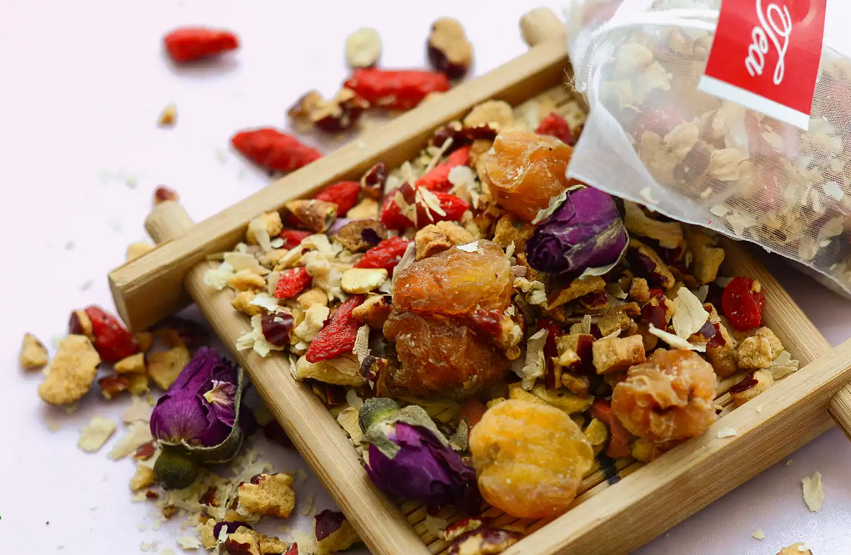
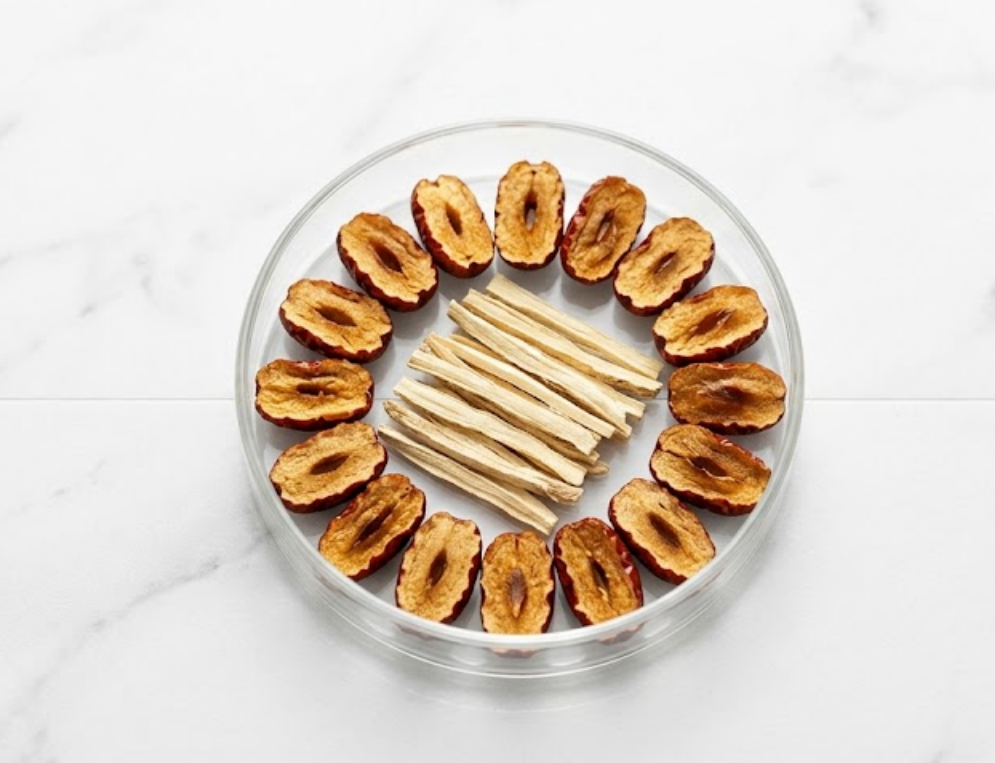
Ease Period Comfort Tea, part of Laicuherb’s four-product Cycle Tea Set (Ease, Pure, Bloom, and Rest, each covering a different cycle phase), combines ginger with angelica, longan, red dates, wolfberry, rose, and peony petal. Laicuherb (Xi’an Chinaherbs Commerce Co.,Itd) sells direct-to-consumer and states ISO-FSSC, COI, and COA as its certifications — worth confirming directly with the brand which of these apply to a specific batch if that level of detail matters to your decision. For a closer look at how the ingredients in this blend are traditionally combined, see this guide to best ease period comfort tea blends for natural period comfort.
Website: https://www.laicuherb.com/
FAQ
Is “premium” just a marketing word, or does it mean something concrete?
It can mean something concrete, but only if a brand can back it up — low-temperature processing, batch-specific lab testing (COA), a short ingredient list, and supply chain transparency are all checkable. If a brand uses “premium” without being able to answer questions about any of these, that’s worth noticing.
Does this tea actually reduce pesticide-related hormone disruption?
Be cautious of that framing wherever you see it. Choosing a brand with batch-tested, clean-sourced ingredients is a reasonable quality preference, but there isn’t strong evidence that trace agricultural residues in tea meaningfully disrupt hormone balance at typical dietary exposure levels. The more concrete benefit of lab testing is confirming the absence of contaminants, not reversing some ongoing hormonal harm.
Which ingredient is actually doing the work for cramp relief?
Ginger has the most direct clinical evidence among the ingredients typically used in this category. Other traditional ingredients (angelica, peony, jujube, goji, and rose) contribute warmth, flavor, and traditional blood-nourishing properties but don’t have the same level of standalone research behind cramp relief specifically.
Do artificial flavors in cheaper teas actually harm my hormones?
Not in a way that’s well-supported by evidence at the doses found in tea. The better reason to prefer a clean-label option is transparency and quality (you know what’s in it, and it’s not masking lower-grade herbs) rather than a detox or hormone-protection claim.
How can I tell if a tea brand is actually fresh, not just marketed as fresh?
Ask about production dates, typical time from processing to shipment, and whether the brand sells direct-to-consumer versus through long distributor chains. These are concrete, answerable questions–more useful than relying on “fresh” or “premium” as unverified label language.
Media Contact
Xi’an Chinaherbs Commerce Co.,Itd
Block B, Eurasia International Building, Xian, Shaanxi, China
Source :Xi’an Chinaherbs Commerce Co.,Itd
This article was originally published by IssueWire. Read the original article here.