
(Spin Digit Editorial):- Shenzhen, Guangdong Oct 12, 2026 (Issuewire.com) – Defining Efficiency in Ocean Freight: Resource Alignment Beyond Transit Time A purchasing manager preparing a multi-vendor production run in South China often faces a difficult logistics balance between waiting for full container accumulation or releasing goods in smaller batches. Across global trade channels, operational efficiency requires far more than comparing calendar days recorded on water. Importers must evaluate whether cargo waits for available vessel space or whether container equipment sits idle awaiting product completion. Total operational speed depends on destination container freight station deconsolidation timelines, origin warehouse handling, and overall working capital cycles. Freight logistics providers like Shenzhen Senghor Sea & Air Logistics Co., Ltd. structure ocean cargo strategies around tailored resource alignment rather than static transit metrics.
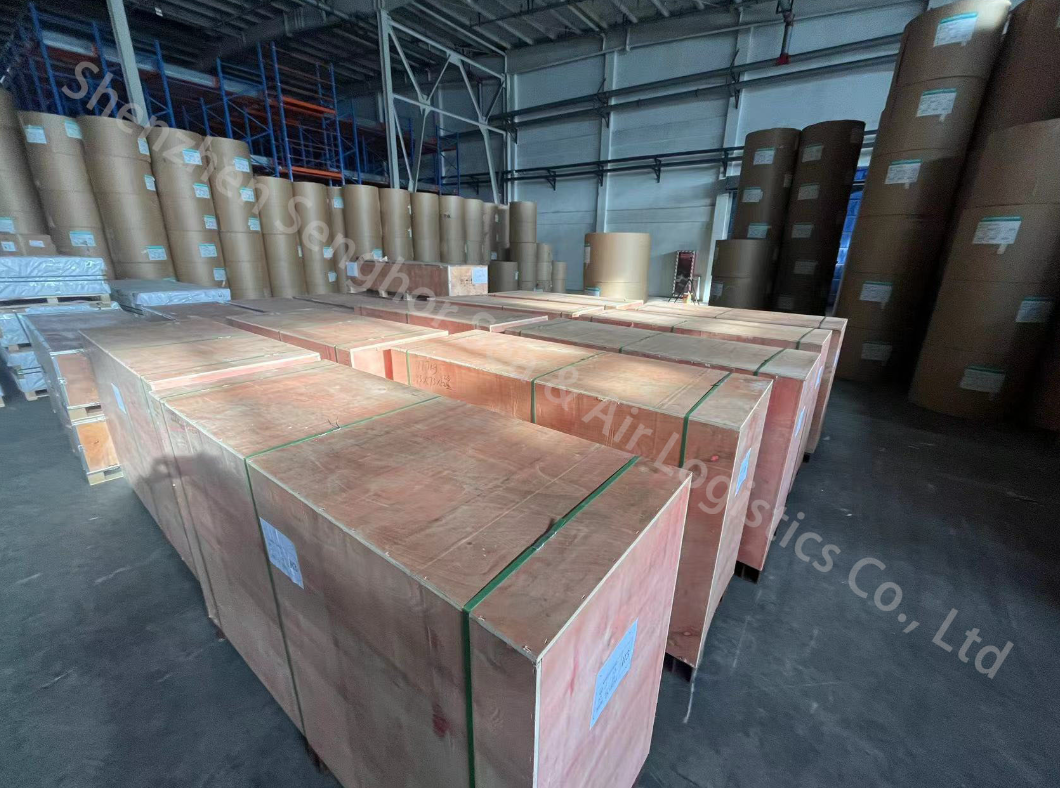
Supply chain professionals who balance less than container load cargo against full container loads gain control over inventory turnover. Integrating reliable LCL shipping from China solutions allows commercial enterprises to optimize cash allocation while maintaining predictable delivery schedules across major international trade lanes. Operational Dynamics of Less Than Container Load Consolidation Less than container load ocean freight functions as a flexible solution starting at a minimum volume threshold of 1 cubic meter. Under this model, multiple commercial suppliers deliver finished goods to a centralized consolidation warehouse located near major departure ports such as Shenzhen, Ningbo, or Shanghai. Experienced logistics providers combine these smaller cargo batches into shared ocean containers, eliminating the requirement for individual factories to dispatch separate shipments. Senghor Logistics operates a dedicated 18,000-square-meter warehouse facility adjacent to Yantian Port, alongside a network of regional storage hubs across China. These facilities simplify consolidation, enabling foreign buyers to combine orders from dozens of distinct vendors into a single managed shipment. Consolidated warehouse operations eliminate the logistical friction associated with coordinating independent pickups across varied factory locations. Overseas buyers receive comprehensive cargo updates directly from a single freight partner rather than attempting to track individual supplier dispatches. By centralizing incoming shipments at primary coastal facilities, importers streamline preliminary documentation, export declarations, and physical cargo inspections before ocean loading occurs. Destination Terminal Handling and LCL Performance Indicators Destination handling introduces specific timeline variables for consolidated cargo. Upon vessel arrival at foreign discharge ports, consolidated containers move directly to a destination container freight station for devanning and individual sorting. This deconsolidation process typically adds two to five operational days to the end-to-end transit timeline compared to direct container clearance. Despite this additional terminal processing window, LCL shipping from China provides substantial commercial advantages for small-batch purchases, trial product rollouts, and multi-SKU inventory replenishment. Importers avoid tying up significant working capital in excessive inventory stock, maintaining higher liquidity and lowering upfront storage expenses. Evaluating operational performance across ocean freight modes requires examining several key physical and administrative factors: Volume Requirements: LCL accommodates shipments starting at 1 CBM, whereas FCL typically requires a minimum threshold of around 28 CBM to efficiently fill a standard 20-foot container. Origin Consolidation: LCL relies on warehouse hub aggregation to merge multi-vendor shipments, while FCL utilizes direct loading at factory or container yard facilities.
More on Spindigit:
- Top-Rated Consolidated Shipping From China Services for Small Business Growth
- Finding an Affordable Reliable China Freight Agent: Key Factors to Consider
- Reliable LCL Shipping From China Solutions vs. FCL: An Efficiency Comparison
- International China Cargo Consolidation Service Company: Top 5 Industry Benefits
- China Leading Door To Door Shipping Services: A Senghor Logistics Success Case
Destination Processing Time: LCL involves an additional two to five days at a container freight station for devanning, while FCL allows immediate port pickup upon customs release. Working Capital Flexibility: LCL reduces upfront capital commitment by enabling smaller, frequent purchases, while FCL demands larger bulk orders that lock up liquidity. Structural Mechanics and Carrier Protections in Full Container Load Operations Full container load shipping operates on a dedicated container model utilizing standard 20-foot General Purpose or 40-foot High Cube equipment. FCL transportation follows a direct Container Yard to Container Yard movement pattern, bypassing origin consolidation steps and destination container freight station devanning. Goods remain sealed inside the container from factory loading through port discharge, allowing immediate drayage pickup upon customs clearance. However, achieving cost efficiency through FCL requires sufficient cargo volume to fill container space. Importers generally require at least 28 cubic meters of volume to justify a 20-foot container. Purchasing full containers without adequate volume leads to paid empty space and delayed dispatches while waiting for factory production to accumulate. To protect cargo flow against global vessel congestion and seasonal peak space shortages, long-term carrier relationships remain essential. Shenzhen Senghor Sea & Air Logistics Co., Ltd. maintains annual service contracts with major ocean carriers, including OOCL, EMC, COSCO, and MATSON. These long-term agreements secure guaranteed space allocations and fixed freight rates, preventing unexpected container rolled-over incidents during peak trade periods. For high-volume supply chains, direct container shipping offers steady transit times and simplified port handling. Empirical Volume Decision Framework and Specialized Express Routing Logistics managers determine the optimal choice between LCL and FCL using volume-based decision thresholds refined through practical field operations. Senghor Logistics applies a structured volume evaluation framework to guide procurement teams through different cargo scales: Shipments measuring under 15 cubic meters strictly utilize consolidated LCL shipping from China solutions (https://www.senghorshipping.com/news/for-international-sea-freight-what-is-the-most-cost-effective-threshold-for-switching-between-fcl-and-lcl-shipments/), maximizing cost efficiency while avoiding empty space charges. Shipments falling between 15 and 28 cubic meters undergo dual-rate evaluation, comparing total LCL destination handling fees against flat FCL container rates. Shipments exceeding 28 cubic meters automatically transition to full container transportation to utilize direct port clearance. Time-sensitive cargo within the LCL category benefits from premium ocean express services. Combining consolidated smaller shipments with premium fast-vessel routes, such as Matson express sailings, significantly reduces ocean transit times to Pacific ports. This hybrid structure delivers speed comparable to air freight while keeping freight expenses manageable. Achieving Supply Chain Alignment Through Strategic Logistics Management Determining supply chain efficiency requires matching cargo volumes with appropriate container modes, leveraging warehouse consolidation, and securing reliable carrier allocations. Choosing between shipping models involves analyzing total operational costs rather than relying solely on full container transport. By deploying tailored LCL shipping from China solutions alongside structured FCL programs, global enterprises maintain reliable supply chain performance across changing market conditions. Commercial importers seeking tailored ocean freight strategies and comprehensive logistics consultations can review full service offerings at https://www.senghorshipping.com/
Source :Shenzhen Senghor Sea & Air Logistics Co., Ltd.
This article was originally published by IssueWire. Read the original article here.