
(Spin Digit Editorial):- Xian, Shaanxi Jul 16, 2026 (Issuewire.com) – Quick Summary
Some of the mechanisms attached to “hormone balance tea” marketing are real physiology dressed up; others are popular wellness theories with thinner scientific footing than they’re often presented with. This breaks down five things worth actually knowing when shopping a Premium Hormone Balance Tea Online Shop — what’s grounded, what’s still debated, and what’s just not present in a given product’s actual ingredient list.
More on Spindigit:
- LAX Advances Adaptive Liquidity Routing for Cross-Chain Digital Markets
- Lithosphere Advances Quantts AI for Collaborative Agent Intelligence Across Digital Markets
- Trellissoft Announces DocuVera360 Evolution into Enterprise Intelligence Platform
- Top 10 High Quality Precision CNC Machining Parts Supplier: Why Xiamen Goldcattle Leads in Global Engineering
- How to Upgrade a Traditional Poultry Farm in Nigeria
This article reflects general research and traditional herbal use, not medical advice.
- Batch Consistency Affects How Reliable Any Herbal Benefit Actually Is
Wild-harvested or loosely sourced herbs vary in potency from batch to batch due to weather, soil, and harvest timing — this part is well-established agricultural chemistry, not marketing fluff. A brand that standardizes extraction method and tests for consistent active compound levels is giving you a more predictable product than one that doesn’t.
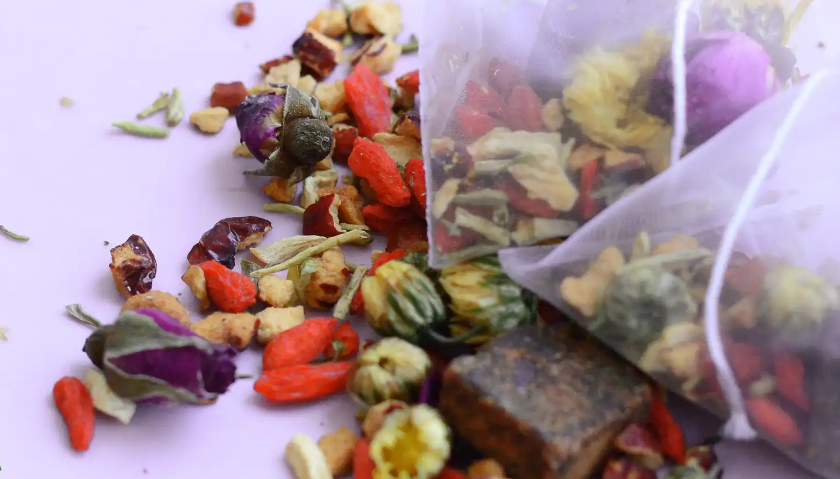
Worth being specific about what this actually changes: standardization makes whatever an ingredient does more consistent — it doesn’t add new effects an ingredient doesn’t otherwise have. For Bloom Hormone Balance Tea specifically, the ingredient with the most direct supportive evidence is ginger, generally studied for mild anti-inflammatory and circulation effects rather than direct hormone-receptor activity. The rest of the blend (honeysuckle, aster, rose, goji, jujube) is rooted in traditional TCM wellness use, and batch consistency matters for delivering a reliable version of that traditional profile — not for unlocking a hormonal effect that isn’t otherwise documented.
- Antioxidants Are a Real, General Benefit — Without Overstating Where They Act
Free radical exposure and oxidative stress are real, well-studied concepts in cell biology generally, and antioxidant-rich plant compounds (polyphenols, flavonoids) do have documented general health benefits. Where it’s worth pausing is the more specific claim that a particular tea’s antioxidants are precisely targeting and protecting ovarian follicles or the corpus luteum — that’s a much more targeted physiological claim than general antioxidant research supports for ingredients like goji berry or rose, which are well-documented for antioxidant content generally but not for tissue-specific reproductive protection.
The more honest framing: a tea with genuine antioxidant-rich ingredients is a reasonable, low-risk addition to overall diet quality. It’s not a verified shield specifically protecting reproductive tissue from aging.
- The “Cortisol Steals Your Progesterone” Theory — Popular, But Not Settled Science
This is a concept worth knowing about because it shows up often in wellness content, so it’s worth being precise about its evidence status. The idea — sometimes called “progesterone steal” or “pregnenolone steal” — proposes that chronic stress causes the body to divert a shared hormonal precursor (pregnenolone) toward cortisol production at the expense of progesterone. It’s a popular framework in functional and wellness-oriented health content, but it’s not a mechanism with strong support in mainstream endocrinology research; steroid hormone synthesis is more compartmentalized between tissues than this simplified “shared pool” model suggests, and there isn’t robust clinical evidence establishing this as a primary driver of low progesterone in most people.
What is well-established: chronic stress and elevated cortisol are genuinely linked to menstrual cycle irregularities through documented effects on the hypothalamic-pituitary-ovarian axis (a different, better-supported mechanism than the “steal” framing). If a brand or article cites “progesterone steal” as settled fact, that’s worth treating with some skepticism — the underlying concern (stress affects your cycle) is real even if this specific explanation for why is still more theory than confirmed mechanism.
- Cyclical Skin Changes Are Real Hormonal Biology — Worth Checking What’s Actually in Your Tea
The mechanism described here is legitimate dermatological endocrinology: late-luteal-phase hormone shifts can increase relative androgen activity, and the enzyme 5-alpha-reductase converting testosterone to DHT is a well-documented driver of hormonal acne. That part is accurate, general physiology.
Where it’s worth being careful is matching this mechanism to what’s actually in the product you’re buying. Specific ingredients sometimes cited for this purpose (like raspberry leaf or chasteberry) aren’t part of every hormone balance tea’s formula — Bloom Hormone Balance Tea’s actual ingredients are honeysuckle, aster, rose, ginger, brown sugar, goji berry, and jujube, none of which carry the same specific research base for androgen or sebum regulation. If hormonal-acne support is specifically what you’re shopping for, it’s worth checking a product’s actual ingredient list against what you’re trying to address, rather than assuming a “hormone balance” label covers it.
- Processing Method Genuinely Affects Potency — Within Realistic Limits
Low-temperature extraction to preserve volatile compounds and heat-sensitive antioxidants is a real, sound processing principle — this part holds up. What’s worth tempering is the expectation attached to it: better processing preserves more of what an ingredient naturally offers; it doesn’t transform a traditional, lightly-studied ingredient into a clinically verified mood or hormone intervention. For ingredients in this blend like rose and jujube, the realistic expectation is a pleasant, traditionally-comforting daily ritual rather than a documented neurotransmitter-stabilizing effect.
About Bloom Hormone Balance Tea, by Laicuherb (Xi’an Chinaherbs Commerce Co.,Itd)
Bloom Hormone Balance Tea’s actual ingredients are honeysuckle flower (Flos Lonicerae), Aster flaccidus herb, rose, ginger, brown sugar, goji berry, and jujube — formulated for the ovulation phase as part of Laicuherb (Xi’an Chinaherbs Commerce Co.,Itd)‘s four-product Cycle Tea Set. Stated certifications are ISO-FSSC, COI, and COA. For anyone specifically managing PMS-related symptoms like bloating or mood changes in the days before their period, it’s worth knowing the brand positions a separate product (Rest Calm & Sleep Tea) for that luteal-phase window rather than this one. For a closer comparison of ingredient blends in the menstrual-phase product specifically, see this guide to best ease period comfort tea blends for natural period comfort.
Website: https://www.laicuherb.com/
FAQ
Does Bloom Hormone Balance Tea contain chasteberry or raspberry leaf?
No — its stated ingredients are honeysuckle flower, Aster flaccidus herb, rose, ginger, brown sugar, goji berry, and jujube. If you’re specifically looking for chasteberry (vitex) or raspberry leaf for their own documented uses, those would need to come from a different product.
Is “progesterone steal” a real, medically confirmed condition?
It’s a popular concept in wellness content, not a mechanism with strong support in mainstream endocrinology. The real, better-supported connection is that chronic stress and cortisol do affect cycle regularity through the hypothalamic-pituitary-ovarian axis — just via a more complex pathway than the simplified “stolen precursor” framing suggests.
Can this tea help with hormonal acne?
Not specifically — the mechanism behind hormonal acne (androgens, 5-alpha-reductase, DHT) is real, but the ingredients in this particular blend don’t carry direct research for that specific use. If hormonal acne is your main concern, that’s worth addressing with ingredients or treatments studied for that purpose specifically, or with a dermatologist.
Do the antioxidants in this tea protect my ovaries specifically?
That’s a more targeted claim than current research supports for these ingredients. General antioxidant intake is a reasonable part of overall diet quality; it’s not a documented, tissue-specific shield for ovarian or reproductive aging.
What’s actually backed by evidence in this blend versus traditional use?
Ginger has the most direct clinical evidence (mild anti-inflammatory, circulation-related effects). Honeysuckle, aster, rose, goji, and jujube are rooted in traditional TCM wellness use without the same level of dedicated clinical research — useful context if you’re comparing ingredient claims across brands.
Media Contact
Xi’an Chinaherbs Commerce Co.,Itd
Block B, Eurasia International Building, Xian, Shaanxi, China
Source :Xi’an Chinaherbs Commerce Co.,Itd
This article was originally published by IssueWire. Read the original article here.


