
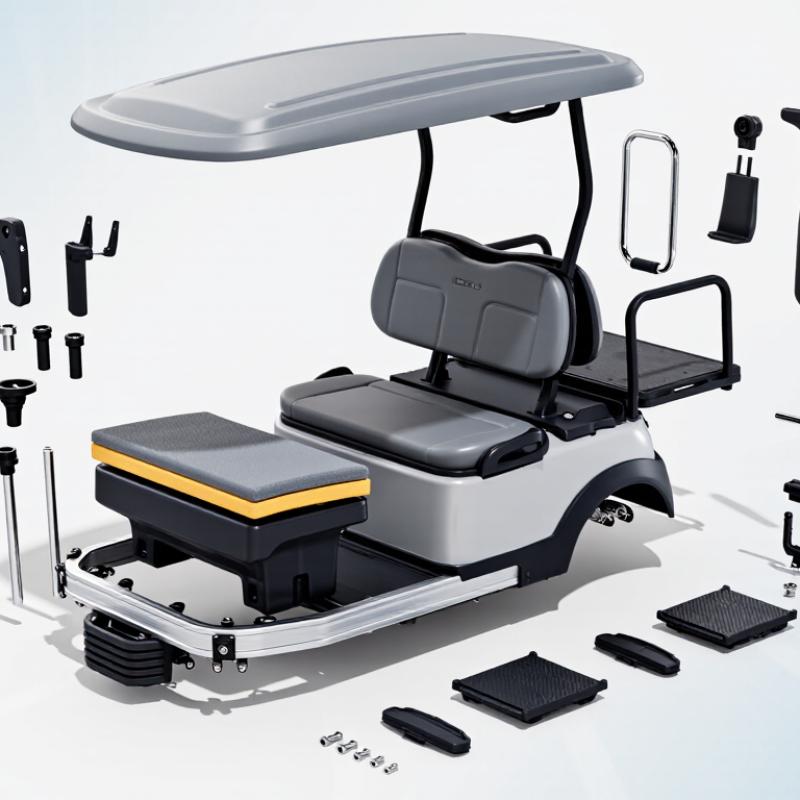
(Spin Digit Editorial):- Saint Petersburg, Florida Sep 28, 2026 (Issuewire.com) – You know, a Golf Cart Seat might look like just a padded board, but trust me, its price can actually be about more than just foam and vinyl. Things like the cover material, how dense the cushion is, the frame, stitching, and even the mounting hardware — all those little parts add up. If the seat is made with weather-resistant stuff to handle sun, rain, and heavy use, that can bump up the cost too — though, of course, quality varies depending on who made it. And if there’s a molded base or a reinforced frame? Yeah, that’s gonna make it more expensive, especially if it’s designed to fit a specific cart model.
Then there’s the back seat setup — a *back seat* can be pricier because it might come with extras like a folding frame, grab handles, footrests, or even a cargo platform. Those parts aren’t cheap — they add weight, require extra materials, and need precise fitting. Make sure to double-check your cart’s model year, mounting points, and seat dimensions before you start comparing prices. Sometimes, a cheaper option might need you to buy extra brackets, or it might not fit quite right. Honestly, don’t just judge value based on how it looks — things like warranty coverage, how easy it is to get replacement parts, and whether the installation instructions are clear matter just as much.
More on Spindigit:
- Dmitry Druzhinsky Connects Tennis Training Continuity at MatchPoint NYC With Lessons From the US Open and Wuhan Open
- DGA Equipment LLC Showcases Equipment Options for Agriculture and Construction
- Unlocking Potential with Redfy: A Smart 660nm 850nm Red Light Therapy Manufacturer Driving the Wellness Industry
- Akilbek Allan: Building a Distinct musical Identity Through Creativity and New Projects
- Clear and Present Public Health Emergency
This guide is here to help you understand why prices can vary so much and what you should check out before making a purchase. Keep in mind, costs depend on the design, materials used, and retailer — there’s no one-size-fits-all price. Some fancy features could be helpful, but others might be totally unnecessary, especially if you’re only using your cart now and then. It’s easy to overlook that distinction. Doing a little careful comparison will help you spend your money on something durable and a good fit, rather than paying extra for features you probably won’t even use that often.
What Golf Cart Seats Include Beyond the Cushion
A Golf Cart Seat is rarely just foam wrapped in vinyl. The price can include a shaped seat base, internal support, hinges, brackets, and hardware matched to a particular cart layout. Those pieces determine whether the seat sits level, opens cleanly, and stays put over bumps. Small parts matter. A complete replacement may also include a backrest, armrests, or a rear-seat conversion structure, depending on the design.
The visible cover is only one layer. Foam thickness and firmness affect comfort after an hour. Seams and upholstery material face sun, dust, and brief showers. A low-cost cover can still be costly to replace if its stitching splits or water reaches the foam. Fit matters, too: bolt positions and seat dimensions are not universal. Checking measurements before ordering can prevent a mismatch.
Installation may be part of the price, especially when old hardware is corroded or the new seat needs adjustment. Some kits arrive nearly ready to fit; others need careful alignment and extra tools. That difference is easy to miss in a product photo. Honestly, seat pricing can feel excessive when all you see is a cushion. Yet the frame, compatible fittings, durable materials, and labor often explain much of the bill. Still, not every premium seat is worth its price; inspect what is actually included.
How Materials and Construction Shape Seat Costs
A Golf Cart Seat is more than a padded cover. Its price often reflects the materials hidden beneath the upholstery. Marine-grade vinyl usually costs more than basic vinyl because it is designed to resist sunlight, moisture, and cracking. The difference may be noticeable after summers outdoors. Still, no covering stays pristine forever.
Foam quality also matters. Dense, resilient foam can keep its shape through repeated rides, while softer foam may compress sooner. Some seats use several foam layers to balance support and comfort. The seat base adds another cost variable: molded plastic, reinforced panels, and corrosion-resistant hardware can affect durability and weight. A sturdy base matters most when the cart faces frequent use or rough paths.
Construction takes time. Tightly stitched seams, reinforced stress points, and neatly fitted edges require more labor than a simple cover stretched over a cushion. Custom shapes can add measuring and fitting work, especially on older carts with worn or uneven frames. That adds up. Yet higher cost does not automatically mean a better fit; dimensions and mounting points still need checking. Buyers sometimes focus on soft padding and overlook the underside, which is easy to miss until a fastener loosens or water reaches the cushion.
Why Fit and Compatibility Require Specialized Design
Golf Cart seats can be expensive because they must match more than the cart’s overall size. Seat bases, mounting holes, backrests, and steering-column clearance vary between models. A seat that looks right in a photo may leave a gap or block a latch in person. A few millimeters can matter. Fit is not universal.
Designers account for the frame shape, passenger space, and how the seat handles bumps and regular use. A 2 Seat Mini Golf Cart may need a compact cushion and a specific mounting layout, while another cart needs different dimensions. Materials also affect cost: vinyl, foam, and backing must work together outdoors, where heat and rain can wear them down. The details are easy to overlook. Measuring the old seat and checking hole spacing can prevent a costly mismatch, though older carts may have been modified, so measurements are not always a perfect guide. That part can be frustrating. Even careful buyers sometimes discover that the seat fits the base but not the surrounding trim.
How Weatherproofing and Comfort Features Add Expense
Golf cart seats cost more when they must handle rain, sun, and daily use. Weatherproofing is not just a water-resistant cover. A well-built seat may use UV-resistant vinyl, sealed seams, corrosion-resistant fasteners, and foam that dries without holding water. Each detail adds material and assembly costs. Cheap stitching can split after repeated exposure, though no seat stays perfect forever.
Comfort features add another layer of expense. Contoured cushions support the hips and back, while thicker foam can soften bumps on uneven paths. Some designs include armrests, grab handles, or shaped backrests. These parts need careful fitting. With a Golf Cart Rear Seat Kit, the frame and upholstery must also align properly, or cushions may feel uneven and hardware can loosen. Small fit problems matter.
Look closely at the seams and underside. Is there a drainage gap? Does the fabric feel flexible rather than brittle? Those details can tell you more than a padded seat’s appearance. Still, weatherproof materials may feel warmer in direct sun, and extra cushioning can make cleaning less convenient. That trade-off is easy to overlook. A modest seat may suit occasional rides, while frequent use makes durable upholstery and supportive foam more valuable. Check how the seat is mounted, too; installation quality affects comfort, but it is not always obvious from photos.
Why Brand, Supply, and Replacement Demand Affect Prices
Golf cart seats can cost more than their foam and vinyl suggest. Buyers pay for fit, frame construction, stitching, and materials that resist fading and cracking. A 2 Seat Golf Cart may need a matched cushion set, while unusual layouts can require less common dimensions. Fit matters.
Brand reputation can affect pricing, even when two seats look similar online. A well-documented replacement may include clear measurements, mounting details, and a warranty, which can reduce the risk of buying the wrong part. Check the seat’s dimensions and attachment points before ordering. Established suppliers may also charge more for consistent quality control, but a higher price alone does not prove better durability.
Supply and replacement demand matter, too. Seats for popular cart models are often easier to source; limited-run styles may cost more or take longer to arrive. Shipping a bulky seat can add noticeably to the final bill. When original seats crack or sag, owners often need a direct-fit replacement quickly, which can narrow their choices. It is tempting to blame markup alone, but that explanation is incomplete. I’d compare materials, fit, warranty, and delivery cost before deciding whether a price is fair.
How to Assess the Value of a Golf Cart Seat
A golf cart seat’s price makes more sense when you judge what it must withstand, not just how it looks. Check the base frame for corrosion, loose joints, and flex; a neat cushion cannot fix a weak structure. Press the foam in several places. It should rebound evenly, without a hard ridge or a slow, sunken spot. Inspect seams, piping, and underside staples, where water and movement often reveal weak workmanship. For a 2+2 Seat Golf Cart, confirm rear-seat dimensions, mounting points, and legroom before comparing prices.
Tips: Ask what the price includes: brackets, hardware, installation, and any stated coverage. Bring a tape measure. Compare materials and construction, not photos alone; lighting can hide thin vinyl or uneven stitching. Check the underside, too.
A higher quote may reflect a reinforced frame, thicker foam, weather-resistant covering, or a closer fit, but verify each claim. Ask how the covering handles sun exposure and how it should be cleaned; “weatherproof” can mean different things. If possible, sit on the seat for several minutes and notice whether it supports your hips without rocking. I would not assume a comfortable showroom test predicts years of heat, rain, and daily use. Comfort is personal, and seat value is not always obvious at first glance.
Choosing and Replacing a Club Car DS Rear Brake Drum & Wheel Hub Assembly
Club Car DS Rear Brake Drum & Wheel Hub Assembly – 4 Bolt Pattern, Black Metal, Replaces OEM 101791101 Golf Cart Replacement Part
Choosing the right rear brake drum and wheel hub assembly starts with confirming your cart’s model and year. This replacement is designed for DS-style golf carts from 1995 onward and Precedent-style carts from 2004 onward. Before ordering, compare the existing assembly and verify the cart’s configuration, since similar-looking parts may differ in fitment. Check the drum and hub for cracks, deep scoring, excessive wear, or damaged mounting points; these signs can help determine whether replacement is needed.
For installation, park on level ground, switch off the cart, secure the wheels, and support the rear axle with suitable jack stands–never rely on a jack alone. Remove the wheel and brake components according to the cart’s service procedure, then inspect the axle and related hardware before fitting the new assembly. Make sure the hub seats fully and the drum turns without binding. Reassemble using the specified torque values and adjust the brakes as directed by the service manual. After lowering the cart, test the brakes at low speed in a clear area before returning to normal use.
Conclusion
Golf cart seats cost more than a cushion because they are complete components designed for daily use. Their price can reflect the seat base, frame, upholstery, padding, fasteners, and other parts needed for a secure, finished fit. Materials and construction also matter: durable coverings, supportive foam, and sturdy foundations can take more resources to produce than basic alternatives.
Fit and compatibility may require designs tailored to particular cart layouts, while weather-resistant materials and comfort features can add further expense. Prices can also be influenced by supply, replacement demand, and the availability of suitable options. To assess the value of a Golf Cart Seat, compare its fit, materials, construction, comfort, and expected durability–not just its initial price. A well-matched seat that holds up to regular use may be a better long-term choice than a cheaper option that needs replacing sooner.
Source :TOP GOLF CO.,LTD
This article was originally published by IssueWire. Read the original article here.