(Spin Digit Editorial):- Qingdao, Shandong Aug 2, 2026 (Issuewire.com) – A heavy truck radiator is expected to perform reliably across long-haul routes, in extreme temperatures, and at locations far from the nearest service center. For fleet operators and aftermarket distributors, a radiator that delivers full service life protects vehicle uptime, keeps maintenance schedules predictable, and avoids the labor cost of unplanned replacements. Selecting a reliable aftermarket radiator for truck applications is not a commodity purchase. It is a maintenance decision that affects operating costs over the life of the vehicle.
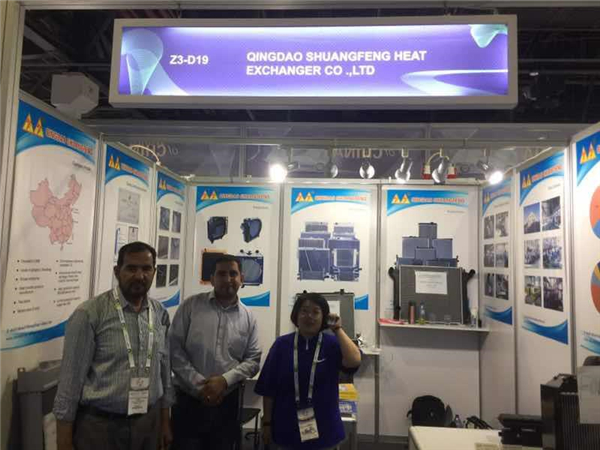
Shuangfeng presented its heavy-duty truck radiator lineup at Automechanika, connecting with fleet buyers and distributors from markets across Europe, the Middle East, and Asia. The exhibition provided a venue for buyers to bring OEM part numbers and dimensional specifications directly to the engineering team for on-site fitment verification and lead time assessment.
More on Spindigit:
- Dmitry Druzhinsky Connects Tennis Training Continuity at MatchPoint NYC With Lessons From the US Open and Wuhan Open
- DGA Equipment LLC Showcases Equipment Options for Agriculture and Construction
- Unlocking Potential with Redfy: A Smart 660nm 850nm Red Light Therapy Manufacturer Driving the Wellness Industry
- Akilbek Allan: Building a Distinct musical Identity Through Creativity and New Projects
- Clear and Present Public Health Emergency
4 Key Factors When Selecting an Aftermarket Truck Radiator
- Core dimensions and mounting configuration must match OEM specifications for the specific model year.
- Material selection should reflect the truck’s operating environment, balancing weight, thermal performance, and repairability.
- Quality system certification provides documented assurance of production consistency and defect prevention.
- Cross-reference coverage determines whether the supplier can verify fitment against the original part number.
Verifying Core Dimensions and Fitment at the Show
The most common cause of aftermarket radiator failure is not manufacturing quality. It is fitment. A radiator that matches the OEM part number on paper but has a different core thickness, port diameter, or mounting bracket position will not perform as designed. Coolant flow rate, operating pressure, and fan shroud clearance are all affected by these dimensional variables.
Verification begins with cross-referencing the OEM part number against the supplier’s database. For trucks such as the Freightliner Cascadia, Volvo FH, or Scania R-series, the same model year may use different radiators depending on the engine configuration and cooling package specification. A reliable supplier maintains dimensional records for each variant.
Qingdao Shuangfeng Heat Exchanger Co., Ltd, operating under the brand soradiator, documents core width, height, depth, port positions, and mounting layout for each model in its cross-reference system. The same level of specification detail that Shuangfeng’s engineering team presents at Automechanika is available to buyers year-round–at the exhibition, visitors discussed specific model requirements and verified fitment data against their fleet inventory directly with the team, and the same cross-reference support extends to remote inquiries outside of show dates.
Material Selection for Truck Operating Conditions
Long-haul trucks operating on highways face different thermal and mechanical stress profiles than regional delivery trucks or vocational vehicles. Ambient temperature range, average load factor, and cooling system maintenance intervals all influence radiator material selection.
All-aluminum radiators offer lower weight and corrosion resistance, making them a common choice for modern truck platforms where weight reduction contributes to fuel efficiency. Copper-brass radiators provide higher thermal conductivity and can be repaired in the field using basic welding equipment, which is valuable for fleets operating in remote areas or regions with limited replacement part availability.
For European truck operators attending Automechanika, the material discussion is especially relevant. European fleets operating Volvo, Scania, MAN, and Mercedes-Benz trucks across multiple countries encounter varying climate conditions and service infrastructure. Soradiator’s product range includes both tube-fin and plate-fin configurations in all-aluminum and aluminum-plastic composite constructions, allowing fleet buyers to select the material that matches their specific operating routes. The right material choice helps maintain consistent engine power and torque output during extended heavy-load operation, supports fuel efficiency by keeping the engine within its optimal temperature range, and contributes to longer service life for critical engine components–all of which reduce maintenance frequency and keep vehicles on the road.
Quality Systems and Production Consistency
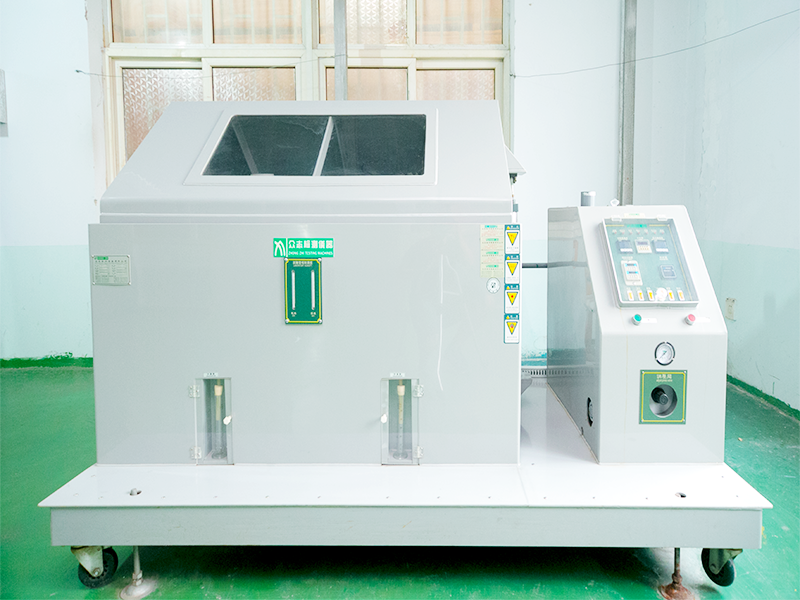
An aftermarket radiator that fits correctly and uses the right materials is only as reliable as the manufacturing process behind it. Brazing consistency, tube-to-fin bond integrity, and contamination control during core assembly are quality attributes verified through systematic production testing rather than visual inspection alone. Shuangfeng validates every product design through a series of performance and durability tests, including:
- Vibration test bench: verifies that the radiator can withstand the high-intensity vibrations generated during vehicle and equipment operation
- Salt spray test bench: evaluates corrosion resistance to ensure the product meets the demands of harsh operating environments
- Constant temperature test bench: confirms that heat dissipation efficiency meets equipment requirements and delivers reliable cooling performance
- Salt spray test stand: provides extended corrosion resistance validation for products destined for coastal, mining, and high-humidity operating conditions
Manufacturing facilities operating under ISO 9001 and IATF 16949 quality systems apply documented process control to every production stage. Pressure testing at specified tolerances, material verification, and three-stage inspection protocols provide the quality assurance that aftermarket distributors need when supplying radiators to commercial fleet operators. Soradiator’s production lines operate under both certifications, with every unit pressure-tested before shipment.
The testing protocol covers incoming raw material verification, in-process monitoring during core assembly and brazing, and a final pressure test before packaging. This three-stage approach means that a quality issue detected at any stage is corrected before the unit moves to the next production step, rather than being discovered after final assembly.
Cross-Reference Coverage Across Brands and Model Years
An aftermarket distributor servicing mixed fleets needs a supplier whose cross-reference database covers the range of trucks in operation. A fleet running Volvo and Scania trucks requires different radiator coverage than one operating Freightliner and Kenworth equipment. Each brand updates its cooling system designs across model years, and a detailed cross-reference that specifies the applicable model year range for each part number helps ensure accurate fitment on the first order.
The Shuangfeng catalog covers truck applications across brands including Freightliner, Kenworth, Peterbilt, Volvo, Scania, MAN, DAF, International, and Mercedes-Benz. The cross-reference system allows buyers to verify fitment against OEM part numbers before placing an order. For wholesale distributors, this verification step reduces the return rate and the administrative cost of processing incorrect shipments.
OEM Replacement vs Aftermarket Sourcing
OEM replacement radiators are designed to the original vehicle specifications and carry the manufacturer’s warranty, but they come at a higher unit cost and may have longer lead times for older vehicle models. Aftermarket radiators from a certified manufacturer offer equivalent thermal performance at a lower price point, with broader inventory availability for older model years. The key variable is not the source category but whether the supplier has verified the dimensional and material specifications for the specific application.
Selecting a reliable aftermarket radiator for truck applications comes down to specifications, not brand labels. A supplier that maintains accurate cross-reference data across model years, produces under certified quality systems, and offers material options matched to operating conditions provides the practical foundation for a dependable replacement. The three plants and nine production lines at Shuangfeng exist to deliver consistent quality at the scale that aftermarket distributors require.
More information regarding aftermarket truck radiator specifications, OEM cross-reference verification, and wholesale pricing is available at the official company website: https://www.soradiator.com. Fleet-level inquiries and fitment verification requests can be directed to the sales team through the website.
Media Contact
qingdao shuangfeng heat exchanger co.,ltd
+86 17853241562
No. 19, Wenhou Road, Economic Development Zone, Laixi City, Qingdao City, Shandong Province
Source :qingdao shuangfeng heat exchanger co.,ltd
This article was originally published by IssueWire. Read the original article here.