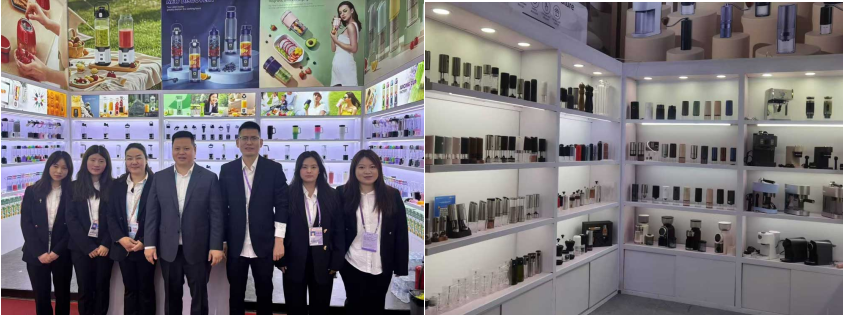
(Spin Digit Editorial):- Jinhua, Zhejiang Jun 6, 2026 (Issuewire.com) – The bustling aisles of HOTELEX have always served as a barometer for global hospitality and culinary trends. At this year’s exhibition, amidst the clinking of porcelain and the aroma of freshly brewed espresso, a senior purchasing director from a prominent North American restaurant chain paused at a bustling display booth, carefully holding a sleek, dark culinary implement.
“In our high-volume establishments, we don’t just look for a tool that grinds seasoning,” she remarked to a colleague. “We need an engineering partner capable of delivering consistent granule precision, thousands of repetitions a day, without compromising the sensory experience of our guests. Finding the right global partner here is what transforms our supply chain stability.”
More on Spindigit:
- Top-Rated Consolidated Shipping From China Services for Small Business Growth
- Finding an Affordable Reliable China Freight Agent: Key Factors to Consider
- Reliable LCL Shipping From China Solutions vs. FCL: An Efficiency Comparison
- International China Cargo Consolidation Service Company: Top 5 Industry Benefits
- China Leading Door To Door Shipping Services: A Senghor Logistics Success Case
This sentiment echoes the overarching challenge confronting culinary procurement professionals, boutique hoteliers, and international distributors navigating the massive exhibition floors: how to successfully identify an enterprise that balances mass manufacturing capacity with strict engineering standards. For sourcing teams specializing in premium kitchenware, discovering the Best Pepper Mill Exporter requires a structured methodology that bridges immediate physical observation with deep, backend operational verification.
To systematically separate high-caliber manufacturers from standard trading intermediaries, procurement experts recommend a comprehensive evaluation framework broken down into two distinct phases and five actionable steps.
Phase I: On-Site Evaluation During the Exhibition
The exhibition floor offers a rare opportunity for sensory and technical inspection. While digital catalogs convey structural dimensions, they fail to communicate tactile ergonomics, structural balance, or real-time mechanical tolerance.
STEP 1: Sensory and Material Verification through Real-Time Testing
The first step in evaluating a potential export partner involves an exhaustive evaluation of the product in its physical form. At an event like HOTELEX, premium manufacturers display their flagship innovations, such as the advanced electric ABS battery-operated salt and pepper mill with a specialized soft-feel exterior coating. Procurement professionals should closely examine three primary physical dimensions:
- Material Integrity and Outer Shell Engineering:Standard plastics often feel brittle and exhibit visible seam lines from low-cost injection molding. In contrast, top-tier exporters utilize premium, high-density ABS plastic treated with a specialized rubberized matte finish. This “soft-feel” surface texture serves dual purposes: it provides an elegant, contemporary aesthetic that seamlessly integrates into upscale kitchen environments, and it delivers essential anti-slip functionality in high-moisture, fast-paced commercial kitchens.
- Tactile Feedback and One-Handed Ergonomics:A high-caliber electric mill must be engineered for effortless, single-handed operation. Sourcing agents should test the physical resistance of the activation button. A strategically located, responsive top-mounted button allows culinary staff or restaurant patrons to dispense seasonings seamlessly with a simple thumb press, ensuring that kitchen workflows or dining conversations remain uninterrupted.
- Visual Transparency and Capacity Layout:The mid-section construction should feature high-transparency, food-grade acrylic or polycarbonate windows. This clear viewport must fit perfectly against the ABS frame without any structural gaps, allowing users to identify seasonings instantly and monitor volume levels before a busy dinner service.
STEP 2: Testing Mechanical Precision and Core Componentry
Beyond the external shell, the true value of a culinary mill lies within its internal mechanical architecture. A common pitfall in bulk procurement is selecting products that look pristine on the outside but rely on cheap, stamped metal components internally, leading to rapid corrosion and uneven grind distribution.
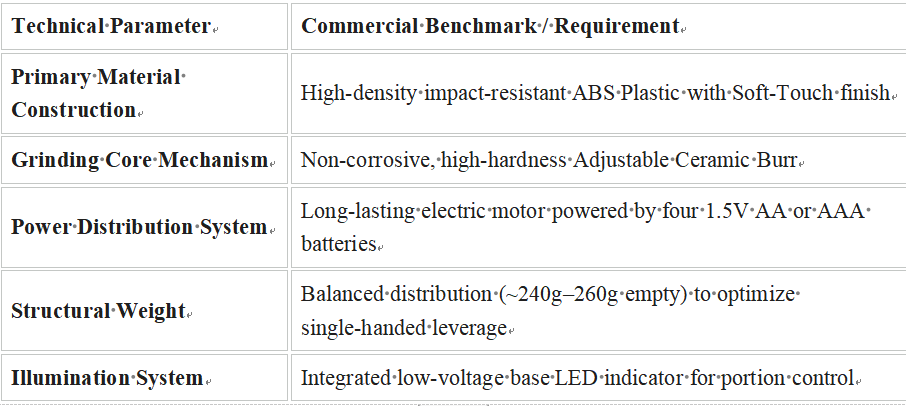
When reviewing options at HOTELEX, look for manufacturers who prioritize non-corrosive, heavy-duty ceramic grinding mechanisms. Unlike carbon steel or standard metal burrs, high-grade ceramic elements do not oxidize when exposed to moisture or aggressive sea salt crystals. This material choice prevents flavor contamination, ensuring that the original aromatic profiles and pure tasting notes of gourmet peppercorns are preserved completely.
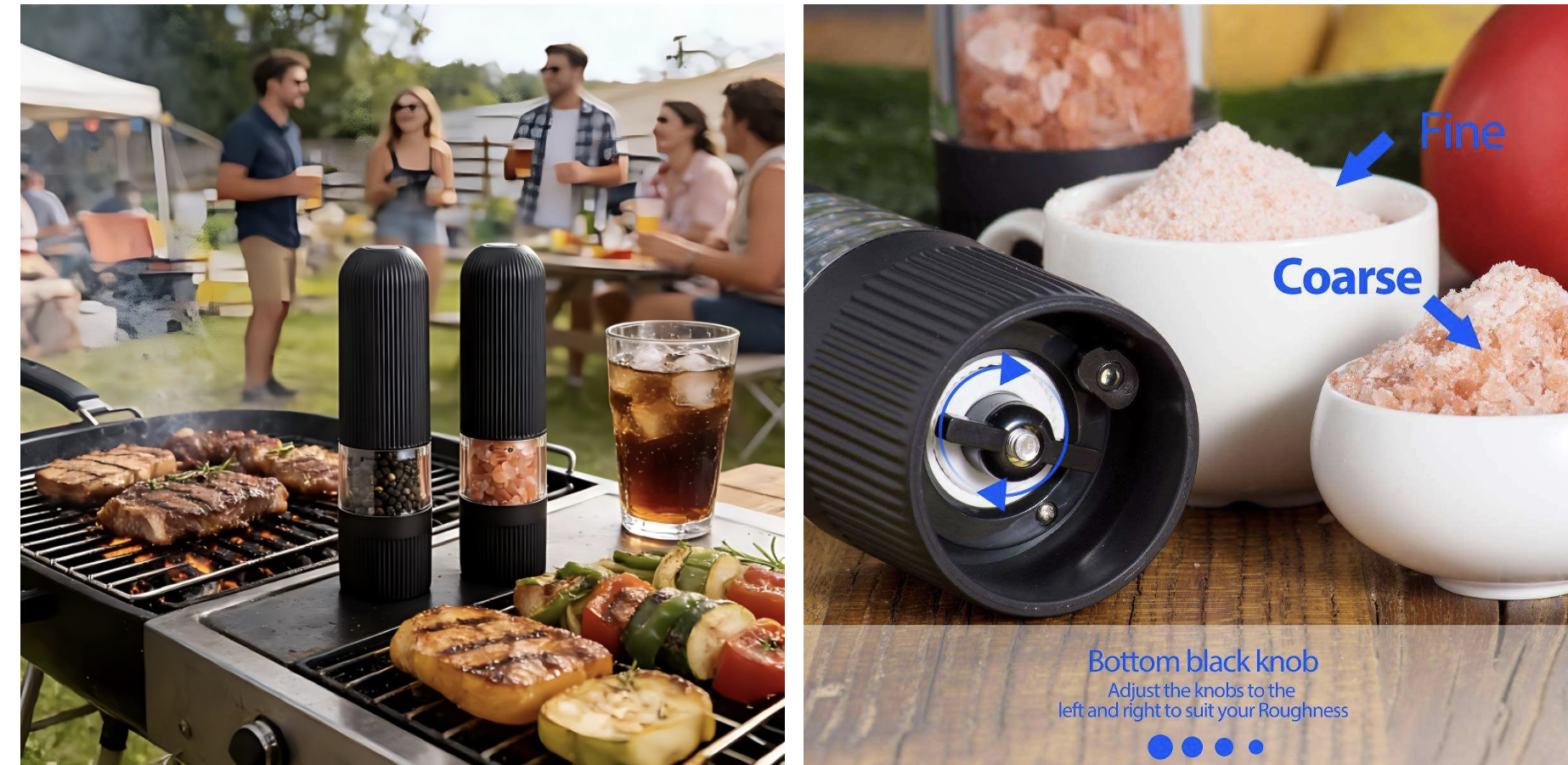
Furthermore, buyers must interact directly with the adjustable coarseness settings typically situated at the base of the mill. A premium manufacturer will design a smooth, multi-tiered rotational knob or dial that stays locked in place once adjusted. During your on-site test, verify that the mechanism can effortlessly transition from an ultra-fine powder–ideal for delicate sauces and fish dishes–to a robust, coarse fracture perfect for hearty steaks and barbecues. The mechanical movement should feel deliberate and tight, indicating tight manufacturing tolerances.
Phase II: Post-Exhibition Verification and Operational Auditing
While an impressive exhibition booth builds initial trust, the second phase of the selection process shifts focus away from the showroom and directly into the structural and operational capabilities of the exporter.
STEP 3: Deep Technical Dialogue and Engineering Consultations
Once the exhibition concludes, the third step requires engaging the manufacturer’s technical team in structured technical dialogues. Serious exporters do not rely solely on salespeople; they bring internal engineers and supply chain specialists into the conversation to address specific operational parameters. Sourcing teams should request comprehensive technical specifications and analyze data such as:
A professional export partner will easily provide clear schematics detailing how the internal motor aligns with the battery housing and the ceramic core. For instance, in advanced battery-operated setups, the alignment points between the motor contact nodes and the upper casing must be perfectly engineered to avoid electrical resistance or premature battery drainage–a level of detail that experienced exporters will proactively highlight.
STEP 4: Factory Infrastructure Inspections and Quality Control Audits
The fourth step transitions from theoretical technical documentation to physical verification via a formal factory audit. To truly establish a relationship with a premier kitchenware provider, a visit to the production facilities is essential. This allows procurement teams to verify that the consistent quality observed at HOTELEX can be replicated across a manufacturing run of tens of thousands of units.
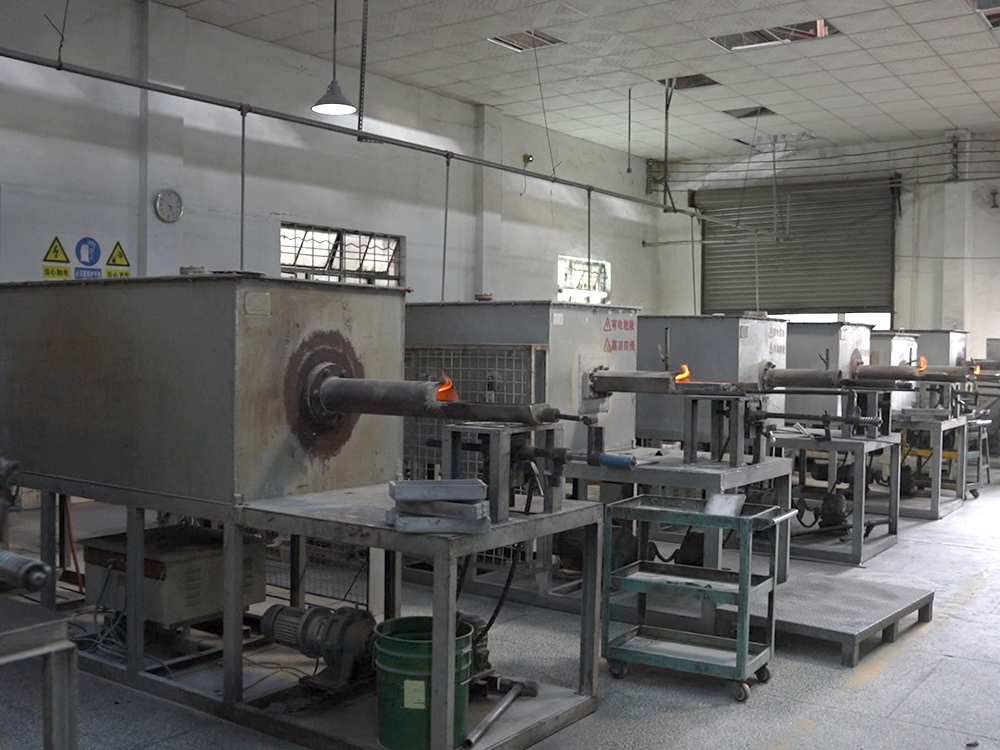
During a factory tour, a qualified buyer should closely evaluate the Quality Control (QC) assembly lines. A premium manufacturing facility will feature dedicated testing stations where automated arms repeatedly trigger the electric mills to test motor longevity and button responsiveness under load. Look for standardized incoming material inspection areas where raw ABS resin and ceramic cores are batched, cataloged, and tested for purity before entering the injection molding machinery. The assembly line should display clear, visual standard operating procedures (SOPs) at every station, proving that the workforce operates under stringent operational controls.
STEP 5: Supply Chain Credentials and Regulatory Verification
The final step in the selection protocol involves a rigorous review of international compliance certifications and corporate history. A global exporter must possess the legal and regulatory paperwork necessary to ensure smooth customs clearance across international borders. Sourcing teams must request and verify up-to-date compliance documents, including CE, RoHS, and FDA or LFGB food-contact safety certifications, confirming that the ABS plastic, acrylic windows, and ceramic mechanisms are entirely free from toxic chemical migration.
Conclusion: Securing a Sustainable Manufacturing Alliance
Selecting a world-class manufacturing partner goes far beyond negotiating the lowest unit price; it centers on aligning with an organization capable of protecting your brand’s reputation through unyielding product reliability. By utilizing this structured five-step evaluation framework, international buyers can look past superficial exhibition displays and identify partners that seamlessly merge innovative product design with world-class quality control systems.
For organizations seeking to establish a reliable, high-tier supply chain partnership rooted in manufacturing excellence and technical precision, we invite you to learn more about our corporate philosophy and custom manufacturing capabilities. Contact the engineering and export division at Blossom to discuss your upcoming product lines, custom color configurations, and volume procurement requirements.
To explore our complete range of precision culinary tools, electric milling systems, and commercial kitchen solutions, please visit our global digital hub at JinHua Blossom Co., Ltd..
Source :jinhua blossom science & technology co., ltd
This article was originally published by IssueWire. Read the original article here.