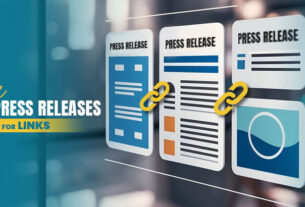
One of the primary things that matters when it comes to website traffic nowadays is press release optimization. Create a catchy headline and do your research well!

Whenever something new or big is happening, companies need to reach out and convey the information so that others in the industry can know. Press releases are still one of the most powerful communication tools that enterprises use to spread the word about any new updates. This can be a change in the organizational structure or operations. It can also be an invention of a new product or service, or even the simplest news of an upcoming event. Press releases are the best way to let the world know what is happening with your brand.
An SEO press release is much more effective than a normal PR (Press Release). SEO PRs are now changing the ways brands convey newsworthy information to the media and public. With the recent changes from Google, it has become even more important to know how to do proper press release optimization. So, let’s move ahead and learn the steps of optimizing your PR content in the right way.
1. Correct Research
The trends are changing in the industry, and so are the rules of SEO. So, before you write the next PR content, you need to do research very well on what your competitors are doing to get traffic. Look closely to see if they are getting results with their press releases. Here, you will also get an idea of what keywords your competitors are using and whether they are getting traffic because of them. Then use those keywords to form better PR content for your brand. However, always make sure that the keywords are relevant to your story and that your content is newsworthy. Moreover, take a closer look at their backlink sources. This will give you an idea of where you should publish your content so that it can be found by the public and be read.
2. Shareable and Engaging Content
If you want backlinks that matter, the trick is simple. You need to create content people actually enjoy and want to share. A press release that is engaging and well-written often attracts credible sources to build on it. The key is grabbing attention right away and holding it. Journalists do this all the time, and you can borrow their tools. Instead of stuffing your PR content with plain facts, weave it into a story that flows. You can add quotes to bring a personal and authoritative voice into the mix. You can further strengthen your points with data or real examples, because readers trust content that feels solid. When you craft the content this way, it not only informs the audience but also connects them to your brand. This makes the public eager to link back.
3. Give Keywords Due Importance
A press release also benefits from smart SEO practices like any form of online content, and keywords are at the center of it. To make your content discoverable, start by researching terms that are relevant to your business or industry. Once you have found them, include those keywords naturally in the title and introduction, since that is where search engines and readers pay the most attention.
However, do not stop there. Use the keyword throughout the body as well, but keep it smooth so it does not feel forced. When done right, these keywords can dramatically improve the chances of your PR appearing in search results. That visibility means users who are actively looking for a product or service like yours are more likely to find and engage with your content.
4. An Eye-catching Headline
A strong PR begins with a headline that grabs attention. Without a well-crafted headline, readers may never even glance at the rest. In fact, the headline is the only part they read for many people. So, it needs to work hard. A great headline balances clarity with intrigue and offers just enough to spark curiosity and pull readers in. To craft one that delivers, you need to focus on essential keywords so search engines and audiences alike understand the topic. Add words that trigger emotion, since feelings drive clicks. You can also offer a solution and show readers that there is value inside. Numbers also boost appeal, as data draws eyes. More than anything, you need to ensure your headline is informative and relevant. It should give readers a reason to keep going.
5. Start with 5Ws
If you want your press release to stand out and be read by targeted audiences, you need to look at the news stories and how they are crafted. Journalists have been trained to start their content with the 5 W’s because they bring quick attention. This is also the advice that carries over to how a PR is written. At the very beginning, you want to give your readers the answers to the very important 5 questions, which are –
- Who?
- What?
- When?
- Where?
- Why?
If the readers find answers to these basic yet important questions in the starting paragraph, it will engage them and attract them to keep reading the content till the end. This is also a good idea to include your keywords in the first paragraph, making sure to increase the SEO performance. However, make sure that Google does not flag your content for keyword stuffing. So, whatever you do, do it naturally!
6. Natural Links
There was a time when marketers believed stuffing press releases with endless hyperlinks and keywords was the magic formula for SEO. That trick might have worked briefly, but Google was quick to crack down. Today, the rules are clear: if you are going to include a hyperlink, it needs to feel natural and useful. The link should flow with the content and be tied to anchor text that makes sense. The keywords should also lead readers toward relevant material that expands on the topic. If you do it with a purpose, hyperlinks strengthen your PR content and can become a real asset in your link-building strategy.
To use them effectively, keep a few best practices in mind. Make sure not to flood your content with too many links. Because the more you add, the less weight each one carries. So, choose only high-quality links that readers will actually want to click. Moreover, you need to avoid promotional fluff and make sure every phrase you link points to content that is relevant and adds value.
Last but not least, always make sure you are ending your PR content with an appropriate CTA or Call-To-Action. This directs your target audiences toward what you want them to do next.